“produced in ethiopia” search results (4000)

Acidity and texture of Ethiopian Coffee Manor Flavor characteristics of Fine Coffee beans
In Ethiopia, the grading and quality control system of coffee is divided into three levels: producer, regional and national. All coffee is inspected by local inspection agencies before leaving the country of origin, and then re-tested at the coffee inspection and grading centers in Addis and Diredawa to determine its quality grade. Coffee is graded before auction and sale, for all involved in production, acquisition,
2016-08-11 Acidity texture Ethiopia coffee manor producing area flavor taste characteristics
China Coffee Network recommends the grading of coffee beans, small producing areas, farms, and "AA+", year
The grading of coffee beans, small producing areas, farms, and other grading systems that mark coffee producing areas around the world are not consistent, so you may see the following words SHB, AA+, Supremo, Extra-Fancy, round beans / adzuki beans on the coffee label, which are the grading names of coffee beans. Baked beans on the market sometimes mark the grading of individual coffee, but not usually.
2016-03-30 China Coffee recommendation Coffee Bean grading producing area Farm AA+ year
Introduction to the characteristics of High-quality Coffee beans in Coffee Variety producing areas of Cochell Manor, Ethiopia
Ethiopia's coffee grading and quality control system has two main indicators: visual inspection and cup evaluation, including the color, cleanliness, origin, taste and characteristics of coffee beans. The export rating is marked by simple numbers, with the best washed coffee at level 5 and the best sun-cured coffee at level 4. After grading, mark the place of origin and then export. Usually the export is paid by letter of credit.
2016-09-24 Ethiopia Obi subdivision Cher Manor Coffee Variety producing area Fine goods Coffee beans
Ethiopian Coffee Bean Flavor Manor introduces Ethiopian Coffee Brands
Sun-cured coffee accounts for 65% of exports. Mainly picked by families, red coffee beans are placed on cement floors or on high tables to dry to about 11.5% humidity, then peeled and cleaned. Coffee grading and quality control system in Ethiopia, coffee grading and quality control system is divided into three levels: producer, regional and national. All coffee goes through before leaving the country of origin.
2016-07-20 Ethiopia coffee beans flavor taste manor producing area introduction coffee brand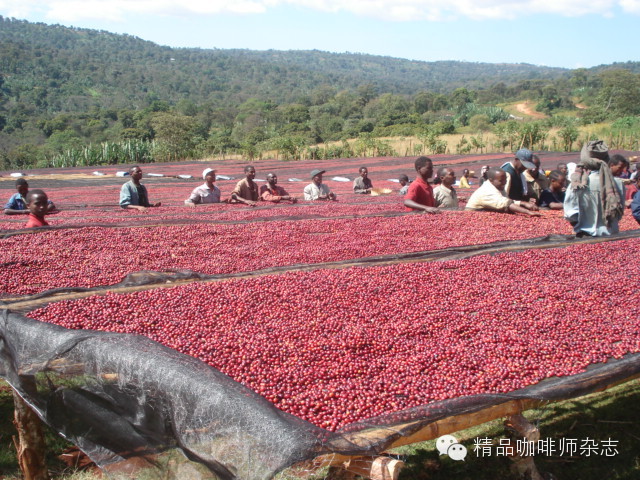
Nekisse N2 L12 Ethiopia 90 + Essel Fine Coffee Wellega (Warrega)
Origin of the name: in 2009, the coffee was named after Nectar from Shakisso, meaning it has the same flavor as nectar from the town of Shachiso in Hidamo province, Ethiopia. Nekisse is characterized by a creamy and smooth taste, a strong berry sauce, and some batches even have mixed flavors of citrus and a variety of tropical fruits. Although it was originally produced in Shakisso
2016-07-13 Nekisse L12 Ethiopia 90 boutique
Ninety + Ethiopian native species of ginseng from Wellega (Woliga) producing area of Ethiopia
Joseph Brodsky, the founder of Ninety +, discovered early that all the world's high-quality raw coffee beans originated in Ethiopia, and its different flavors of many different varieties are no less than 10, 000 grapes into 1 million different wines. Ninety percent of the raw beans come from the original varieties of Ethiopia, including Gesha of Manor Panama, which is also an Ethiopian heirloom (Heir).
2016-07-05 Ninety Ethiopia Wellega Wali producing area ginseng native nine
Ethiopian boutique coffee Ethiopia boutique coffee flavor Ethiopian boutique coffee
Coffee is Ethiopia's most important export cash crop and the main source of Ethiopia's foreign exchange earnings. Ethiopia's coffee exports account for about 3% of the world market, making it the eighth largest coffee exporter in the world. Coffee exports increased steadily from 58000 tons in 1990-91 to 110000 tons in 1995-96 and remained at this level in the following years. 2001-2002
2016-03-19 Ethiopia boutique coffee flavor
Introduction of Ethiopian Fine Coffee the taste characteristics of Ethiopian boutique coffee Ethiopia
Coffee is Ethiopia's most important export cash crop and the main source of Ethiopia's foreign exchange earnings. Ethiopia's coffee exports account for about 3% of the world market, making it the eighth largest coffee exporter in the world. Coffee exports increased steadily from 58000 tons in 1990-91 to 110000 tons in 1995-96 and remained at this level in the following years. 2001-2002
2016-03-29 Ethiopia quality boutique coffee introduction taste characteristics
Ethiopia washing G1 Sidamo sidamo Sidamo shakisso producing area Sidamo
The coffee flavor of Sidamo sidamo Sidamo is very diverse, because different soil composition, regional microclimate and countless native coffee varieties make the coffee produced in each urban area have obvious differences and characteristics. Sidamo producing area (Sidama) is located in the south of Ethiopia. The industry here is mainly agricultural, and the coffee growing area is located in the East African Rift Valley (Great Rif).
2016-07-26 Ethiopia Biya Water washing Dharma sidamo Shaquiso shakiss
The birthplace of coffee-the representative work of Ethiopia, Yega Xuefei.
Ethiopia is the oldest coffee producer. With Ethiopian beans, you can measure the flavor profile of all current coffee beans. It can be said that Ethiopia is the gene pool of coffee and the source of all flavors. Nothing is more common in Ethiopia than the coffee beans treated by the ancient method of sun treatment, which is caused by the geographical factors of lack of water in Ethiopia, but the sun exposure in the ancient method is difficult to control, the quality of farmers' work is also poor, and the taste of potions is good.
2016-06-18 Coffee place of origin -Ethiopia representative work Yega Snow Eye
Ethiopian Coffee Lim Region Flavor Ethiopian Fine Coffee Bean Introduction
Coffee bugs, in previous installments we learned about the origins and spread of coffee, so where does the coffee we drink today come from? Next, follow Xiao one to explore coffee producing areas around the world ~ Coffee 53 producing areas currently have 53 major coffee producing areas in the world, all distributed in the coffee belt "25N~30S". We're tracking the spread of specialty coffee
2016-04-30 Ethiopia Coffee Lim Origin Flavor Boutique Coffee Bean Introduction
Introduction to the flavor and taste characteristics of coffee from Xidamo Chiso producing area of Ethiopia
In July 1991, EGF hosted a national conference with the participation of more than 20 political and ethnic organizations. The meeting adopted the Transitional Charter and elected an 87-member House of Representatives, with EGF Chairman Meles Zenawi as President of the Transitional Government and President of the House of Representatives. A transitional government was established. On May 24, 1993, Eritrea (formerly the province of Eritrea, Ethiopia) adopted
2016-08-23 Rich flavor Ethiopia Dharma Shaquiso producing area coffee taste characteristics
Ethiopia YCFCU Water washing Yegashifedama Cooperative G2 level
There are eight major producing areas in Ethiopia: Ekempti, Limu, Illubabor, Djimma, Harrar, Teppi/Bebeka, Sidamo and Yirgacheffe. Yirgacheffe is located in the Gedeo region of southern Ethiopia, and the jurisdiction of this area is better known as Yegashafi and Kochere. Because of Yirgacheffe
2016-05-14 Ethiopia YCFCU Water washing Yega Sheffield Dama Cooperative Yesso
Ethiopia YCFCU Water washing Yegashifedama Cooperative G2 level
There are eight major producing areas in Ethiopia: Ekempti, Limu, Illubabor, Djimma, Harrar, Teppi/Bebeka, Sidamo and Yirgacheffe. Yirgacheffe is located in the Gedeo region of southern Ethiopia, and the jurisdiction of this area is better known as Yegashafi and Kochere. Because of Yirgacheffe
2016-05-18 Ethiopia YCFCU Water washing Yega Sheffield Dama Cooperative Yesso
Yirgacheffe of kochere Manor in Yegashiwiche, Ethiopia
Cochel is located in a small producing area 25 kilometers southeast of Yegashafi, Ethiopia. It is a rich area for coffee production. It is also one of the three famous and micro-producing areas of Yegashafi. It has about 100,000 local residents, and coffee beans are the main source of income. The processing and processing equipment of this production area is very advanced. Coffee Review, a well-known coffee evaluation website, gave Kocher a high rating of 94 points for washed beans.
2016-06-30 Ethiopia Yega Shefico Cher kochere Manor Yir
The growing environment of coffee trees in Ethiopia introduces Ted Manor
Coffee is Ethiopia's most important export cash crop and the main source of Ethiopia's foreign exchange earnings. Ethiopia's coffee exports account for about 3% of the world market, making it the eighth largest coffee exporter in the world. Coffee exports increased steadily from 58000 tons in 1990 to 110000 tons in 1995-1996 and remained at this level in the following years. 2001-2002
2016-06-15 Ethiopia Coffee growth Environment introduction Ted Manor
The growing environment of coffee trees in Ethiopia introduces Ted Manor
Coffee is Ethiopia's most important export cash crop and the main source of Ethiopia's foreign exchange earnings. Ethiopia's coffee exports account for about 3% of the world market, making it the eighth largest coffee exporter in the world. Coffee exports increased steadily from 58000 tons in 1990 to 110000 tons in 1995-1996 and remained at this level in the following years. 2001-2002
2016-06-15 Ethiopia Coffee growth Environment introduction Ted Manor
Ethiopian Coffee Export Coffee Fine Coffee Kenya Yega Chuefei
Coffee export coffee is Ethiopia's most important export cash crop and the main source of Ethiopia's foreign exchange earnings. Ethiopia's coffee exports account for about 3% of the world market, making it the eighth largest coffee exporter in the world. Coffee exports increased steadily from 58000 tons in 1990 to 110000 tons in 1995-1996 and remained at this level in the following years. two
2016-04-22 Ethel Searle Biya Coffee Export Fine goods Kenya Yega Sheffield
Ethiopian coffee trees originated in Ethiopia
The Ethiopian coffee tree originated in Ethiopia (Ethiopia). It was originally a wild plant here, and the name coffee comes from the Ethiopian town of Kaffa. Humans may have known how to grow coffee trees as early as the 9th century. Coffee producing area in Ethiopia: many coffee trees in Ethiopia are still wild plants, the coffee that grows on this coffee tree.
2015-10-07 Ethiopia coffee from Ethiopia from Ethiop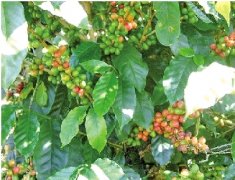
Yega Xuefei Sun Banki Maggie Coffee cooked beans Ethiopia G3
There are eight main producing areas of Ethiopian coffee: Ekempti, Limu, Illubabor, Djimma, Harrar, Teppi/Bebeka, Sidamo, Yirgacheffe. Ethiopian coffee is highly rated in Taiwan, especially Chinese people are particularly interested in the three famous producing areas of Ethiopia, namely Harrar, Sidamo and Yirgacheffe.
2016-05-14 Yega Sheffield Sun Banki Maggie Coffee cooked beans Ethiopia